INTRODUCTION:-
Anaesthesia is derived from Greek word “ anaisthesis” which means not sensation. This term was listed in Bailey’s dictionary in 1721. The patient under anaesthesia are not arousable painful stimuli. They loss there ability to maintain the ventilatory function & require assistance in maintaining patient airway.
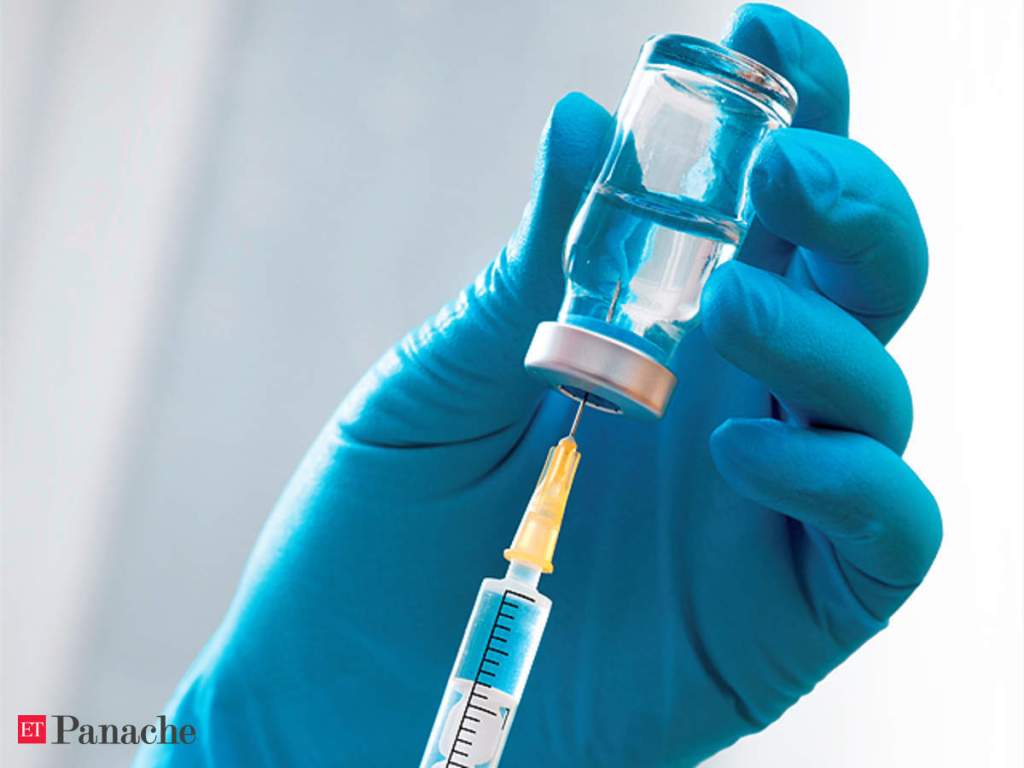
CLASSIFICATION OF ANAESTHESIA:-
Anaesthesia can be classified in to 3 types, those are:-
1. General anaesthesia:-
General anaesthesia are usually the technique of choice for patient who are having surgical procedure which require skeletal muscle relaxation for longer period of time, or extremely anxious patient, or uncooperative because of there emotional status( head injury, pathologic process, lack of maturity)
It can be provided by inhalation or intravenously.
A. Inhalation anaesthetic agent:-
* It include volatile liquid agent & gases , it produce anaesthesia when there vapour are inhaled.
* These agent are used in combination with oxygen or Nitrous Oxide.
* When these agents are inhaled they enter the blood stream through the pulmonary capillaries & act on cerebral canters to produce loss of sensation & consciousness.
* When the anaesthetic agent are discontinued the anaesthetic agent are eliminate through the lungs.
* This can be provided by using LMA( laryngeal mask airway)
This tube seal the lungs from the esophagus so if patient vomits the stomach content donot enter the lungs
B. Intravenous administration:-
* Here there is administration of IV anaesthetic agent such as barbiturate, benzodiazepines, Opoid agents etc.
* These agent used to maintain anaesthesia & also produce moderate sedation.
* Here the patient will not feel any unpleasant sensation like buzzing, roaring etc.
* The duration of action is brief & patient awake when little nausea & vomiting.
* There is no incidence of nausea & vomiting so there is no chance to increase intra ocular pressure, it is used in Eye surgery so.
* IV neuro muscular blockers( muscle relaxants) block the transmission of nerve impulse at the neuromuscular junction , it also used to relax the smooth muscle to treat endotracheal intubation, treat laryngospasm.
2. Regional anaesthesia:-
* The regional anaesthesia is injected in to the nerve which supplies to a particular region.
* The patient receiveing regional anaesthesia is awake & aware of the surround, so the health care team must be avoided careless conversation, unnecessary noise because it may cause negative response.
Epidural anaesthesia:-
* It is the injection of anaesthetic agent in to the epidural space which surrounds the dura meter of the spinal cord.
* It block the sensory, motor & autonomic function
* It differ from spinal anaesthesia by site of injection amount of anaesthetic agent used.
Spinal Anaesthesia:-
* It is the introduction of anaesthetic agent in to the subarachnoid space at the lumber level usually between L4 & L5.
* It produce anaesthesia to the lower extrimities, perineum & lower abdomen.
* Few minute after the induction of anaesthesia there is paralysis of toes & perineum & then usually leg & abdomen.
* If the anaesthetic agent reaches the upper thoracic & cervical spinal cord in high concentration there may be temporary partial or complete respiratory paralysis develop. Which may need mechanical ventilation
Local conduction block:-
* Common local conduction block includes:-
-Bracheal plexus block which produce anaesthesia of the arm
-Para vertebral anaesthesia which produce anaesthesia to nurve supplying to chest, abdominal wall & extrimities.
-Transsacral( caudal) block, which produce anaesthesia to perineum & lower abdomen.
3. Local Anaesthesia:-
It is the injection of a solution containing the anaesthetic agent in the tissue at the planned incision site.
STAGES OF ANAESTHESIA:-
General anaesthesia consist of 4 stages & each stage with specific clinical manifestation, the stages are-
* Stage I ( Beginning of anaesthesia):-
When the patient inhale the anaesthetic mixture he feel Warmth, dizziness.
The patient is still conscious but unable to move extremity, he may feel ringing, roaring or buzzing sound in the ear
In this stage the noise are exaggerated & even low voice & minor sound seem louder so unnecessary noise or motion are avoided when anaesthesia begin.
* Stage II ( Excitment):-
Hear the patient may show activity like struggling, shouting, talking, singing, laughing or crying, but it can avoided if IV anaesthesia agent are provided smoothly & quickly.
Patient pupil may dialated but contrast if exposed to light, the pulse rale is rapis, respiration may irregular.
Because of possibility of uncontrolled movement patient need to be restraint.
* Stage III (Surgical anaesthesia):-
Surgical anaesthesia is reached by administration of anaesthetic vapour or gases & supported by IV agent as necessary.
Here the patient is fully unconscious & lie quietly on the table , pupil become small, respiration regular, pulse rate become normal & skin is pink & slightly flushed.
* Stage IV ( Medullary depression):-
This stage is reached if too much anaesthesia is administrated.
Respiration become swallow, pulse is weak & thread, pupil become widely dialated & no longer contract when exposed to light.
Cyanosis develop if promptly not treated, patient may die also.
EQUIPMENTS USED FOR ANAESTHESIA ADMINISTRATION
* Continious flow anaesthetic machine
* Anaesthetic vaporizor
* Oxygen mask
* Nasal oxygen set
* Guedel airway
DRUGS USED FOR ANAESTHESIA
1. Inhalation anaesthetic agent:-
a. Volatile liquid:- Halothene, Enflurane, Isofluren, etc
b. Gases:- Nitrous oxide, Oxygen
2. Intravenous anaesthetic agent:
a. Opoid analgesic agent:- Fentanyl, Morphin sulphate, ramifentanil, sufentanil
b. Depolarising muscle relaxant:- Succinylcholine to relax the smooth muscle.
c. Nondepolarising muscle relaxant ( Intermediate onset & duration):- Atracurium for maintenance of skeletal muscle relaxation, cistracurium, vecutonium.
d. Nondepolarising muscle relaxants- (Longer onset & duration):- Metocurin & pancuronium for maintenance of relaxtation.
e. Intravenous anaesthetic agents:- Diazepam, midazolam, propofol, – all these reduce anxity & cause sedation.


